

Yesterday we looked at all things Ruben Amorim, and what he could bring to the club: https://www.stretfordpaddocknews.com/uniteds-new-era-1
But how does the young Portuguese fit into the bigger picture at United? Will he herald the start of the new glorious era that we’ve waited so long for? Or is this yet another in a long line of false dawns?
The board – questions still remain
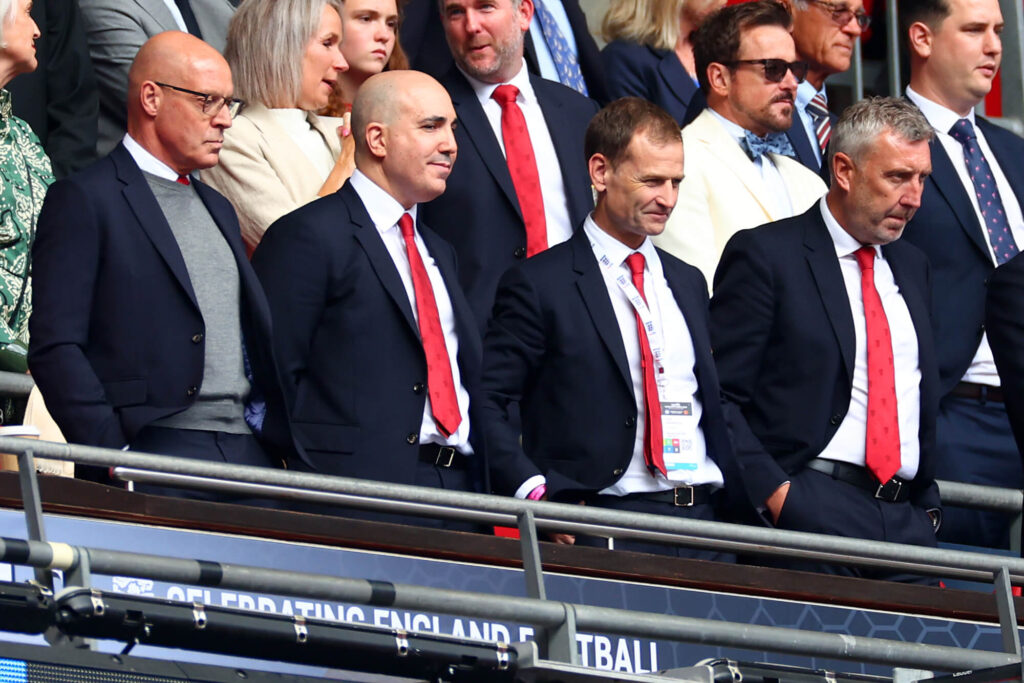
The suits with the star CVs have gotten a lot of things right since taking over, but it remains to be seen whether the managerial appointment is the one to bring the club back to its former glory. One thing can be said for higher-ups: they acted decisively. It seemed that Ten Hag had only just cleared out his desk when Reuben Amorim got the nod. One thing is for certain – Amorim is their man. There are no more excuses left to make if he doesn’t work out.
INEOS’ handling of Ten Hag’s situation does raise some questions about their decision-making process. The timeline leading to the sacking is especially bizarre considering Ten Hag was least culpable for the West Ham result compared to any previous losses. The best time to part ways was probably after the summer 2023 FA Cup final achievement on a high; why waste more time with him if you’re not willing to commit to him 100%?
This sequence undermines INEOS purported “ruthless” reputation, instead suggesting an element of indecision and poor strategic planning. The decision to conduct exploratory talks with other managers, while publicly backing Ten Hag, not only compromised his authority but also potentially damaged the club’s credibility with future managerial candidates.
The Big Picture
The fundamental question remains, how do United break free from their cycle of:
“Hiring an exciting manager > play good football for a year > few players give up/injuries > performances dip & manager doesn’t get results > inadequate transfers > impatient fans turn on boss > manager gets sacked”?
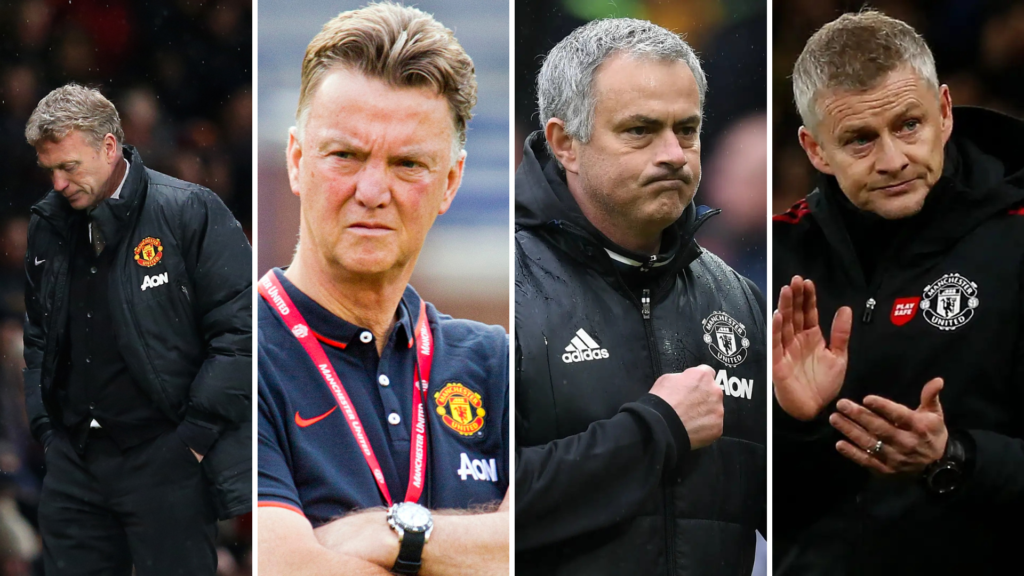
Some players have now played under three or four managers, suggesting the issues run deeper than any single appointment. Players need to be held responsible, with consequences, because if they can’t demonstrate organisation, coordination or discipline, or they can’t convert clear chances time and again, or they repeat elementary defensive errors or fall prey to injuries, no manager can be our saving grace. Any manager can only sharpen your skills for you, not execute them for you on the pitch especially the basics.
For a top young coach like Amorim, the United job presents a daunting challenge. The media scrutiny is relentless, fan patience is thin, and board support, however well-intentioned, can be fleeting. As recent history suggests, even proven coaches at the top level might “belly flop and drown at United.” Amorim’s style clearly works with the right personnel, but too many people demand success immediately, and expecting him to thrive with square pegs in round holes would be unrealistic. Also a word to the wise that Louis van Gaal tried to make three at the back work at Manchester United and failed.
Looking Forward
Amorim’s success with youth development, demonstrated through the emergence of talents like Matheus Nunes and Nuno Mendes aligns perfectly with United’s traditions. Amorim also handed Pedro Porro his debut and the world watched in awe as Viktor Gyökeres and 17 year-old Geovany Quenda proved pivotal in Sporting’s dismemberment of Manchester CIty in the Champions League. However, the Premier League’s unforgiving nature and United’s immediate need for results create a challenging balancing act.
The key to success may lie not in tactical blueprints or training methods, but in patience and institutional stability. As United embark on this new chapter, the hope is that in two years and potentially another 700 million pounds later, we won’t find ourselves in the same position, with fans calling for another manager’s head.
The appointment of Amorim represents a calculated gamble, but one that could break the cycle if given proper support and time. United must now ensure they provide their new boss with the tool, time, complete faith and confidence of the board and dressing room alike. This is all needed to succeed where his predecessors could not.
our ruud awakening
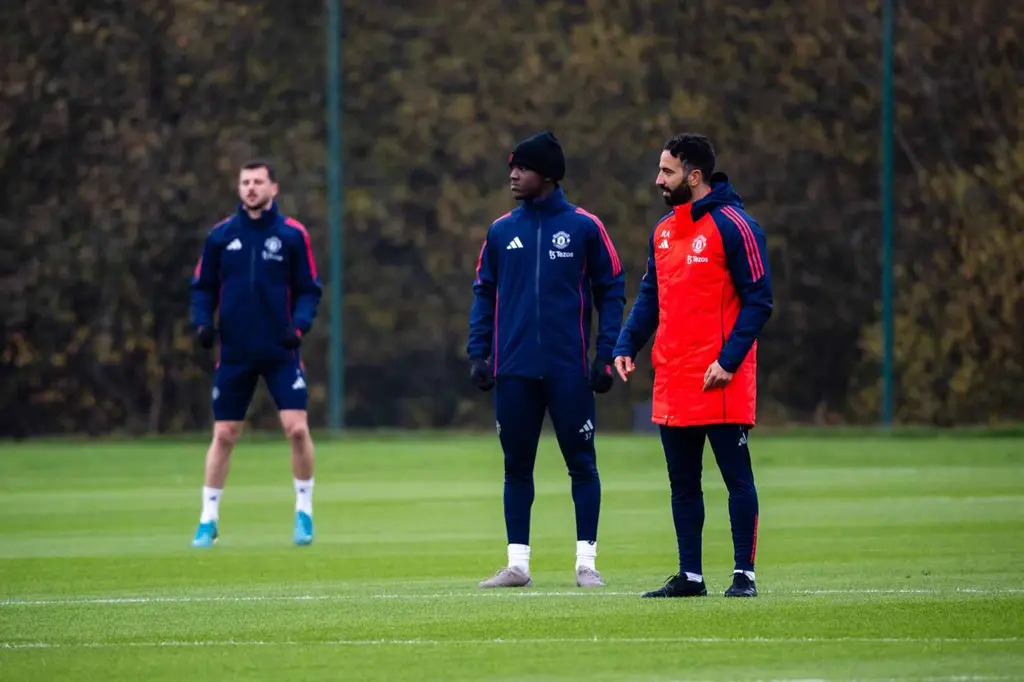
Ruud van Nistelrooy’s PSV-esq 4-2-3-1 system offered a return to United of old, for a short period of 4 games across competitions; winning 3 and drawing 1.
Unlike Ten Hag’s complex approach, Ruud’s system emphasised vertical progression and direct play, with fullbacks rather than defensive midfielders leading the press in a 4-2-4 defensive shape. This tactical set-up focused on between-the-lines passing and direct balls to the target man, creating chances from inside forward channels. Wide wing backs provided crossing options while engaging in high pressing (Mazraoui being the star man), ensuring ball recovery higher up the pitch. The emphasis on speed, tempo, and counter-attacking, combined with two striker setups and consistent patterns of play, suggested a return to more traditional, attack-minded United football, very much like under Ole.
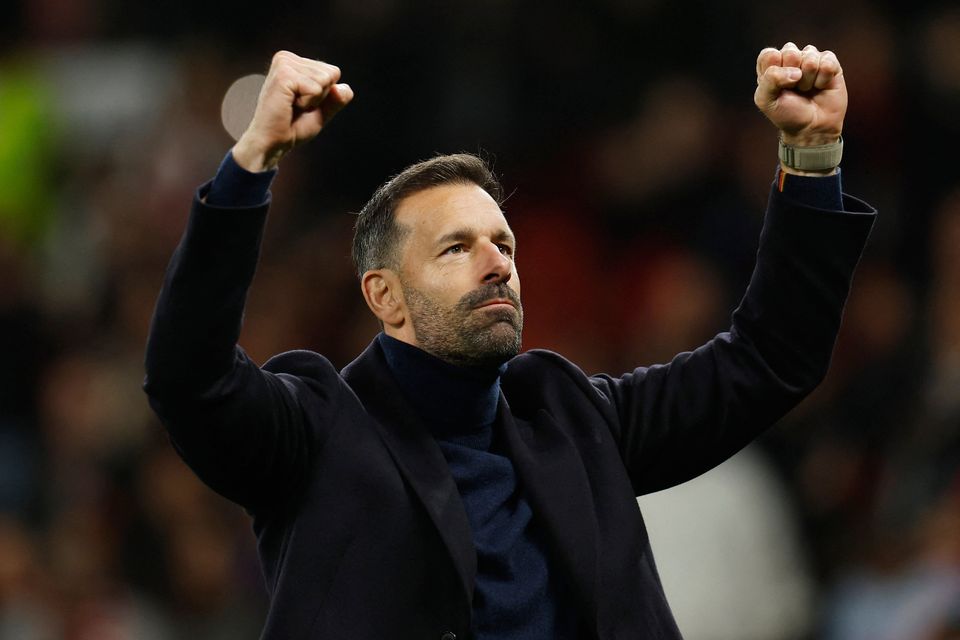
So even if just for a brief period, it was great to see an unshackled, high-flying Manchester United playing bold and expressive football, with freedom, and scoring 11 goals. A dignified exit suggests a clean break, which serves best for the club and Ruud alike.
A fresh clean slate for Amorim awaits, where he will begin with his own backroom staff; the right call by the board. It will demand a lot of hard work and learning, but a favorable run of fixtures presents him the best chance to display, in his own first words a “Clear identity, idea and positioning”, which we fans are extremely excited to see.